ANUA Heartleaf 77 vs Rice 70 toner: differences and choice
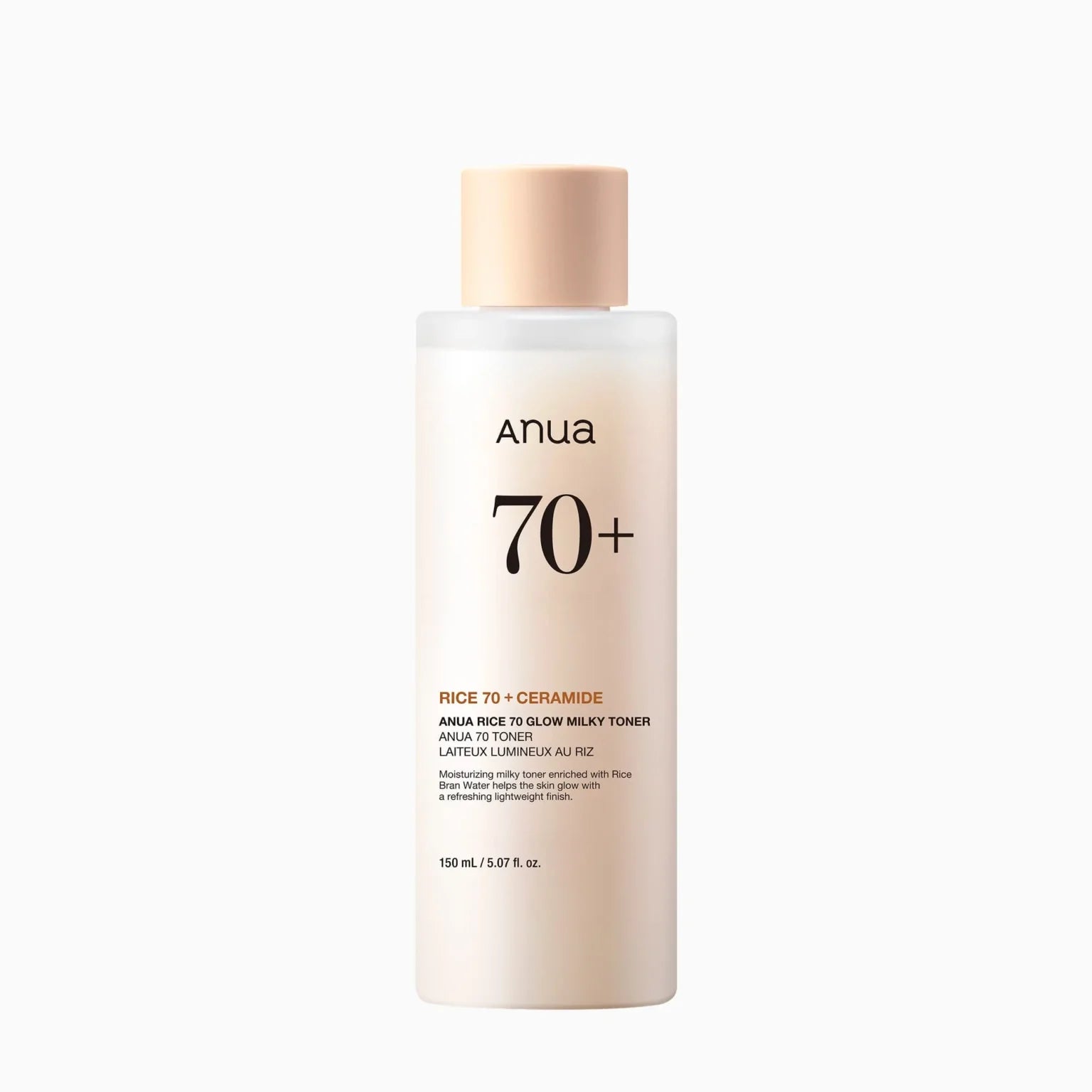
The main buying distinction between ANUA Heartleaf 77 and Rice 70 is the described toner format: Heartleaf is positioned around fresh, lightweight hydration, while Rice 70 is described as a lightweight milky toner for hydration and a radiant look. Compare the two complete formulas and finishes. Their headline numbers are not a shared concentration or effectiveness ranking. The current Heartleaf US page and Rice US page provide the document basis for this comparison.
Key takeaways
- Heartleaf and Rice are different named toners, rather than two strengths of one formula.
- Rice 70's US document contains three different statements: the product name, 70% Rice Water+ marketing, and a 71% rice-bran-water ingredient entry.
- Both cited US directions describe applying after cleansing and gentle patting, morning or evening.
- The best buying comparison is formula, preferred format, selected volume and delivered cost.
Watery hydration or a milky format?
| Decision point | Heartleaf 77 Soothing Toner | Rice 70 Glow Milky Toner |
|---|---|---|
| Current US description | Fresh, lightweight hydration with heartleaf and hyaluron | Lightweight milky toner for hydration and a radiant look |
| Ingredient-document starting point | Houttuynia Cordata Flower/Leaf/Stem Water | Oryza Sativa (Rice) Bran Water (71%) |
| Other names in the current field | Glycerin, betaine, panthenol and several hyaluronates | Niacinamide, panthenol and Ceramide NP/AP/EOP |
| US application description | Cotton pad or fingertips after cleansing; pat | Cotton pad or fingertips after cleansing; pat |
If your preference is a milky format, Rice is the relevant one to investigate first. If you want to replace a familiar Heartleaf bottle, begin with its exact edition and back label. These are practical selection examples, not results of a blind texture trial. We have not worn either toner or established which feels better on your skin.
Why does Rice 70 also show 71%?
The current US product is named Rice 70 Glow Milky Toner. Its promotional sections say “70% Rice Water+”, while the ingredient field starts with Oryza Sativa (Rice) Bran Water (71%). Those are separate source statements in the same document. Read the product name and the two ingredient statements separately; the webpage does not explain them as a single interchangeable measurement.
For a purchase, the useful follow-up is the exact ingredient declaration on the supplied regional pack. The US webpage does not authenticate a particular EU bottle or explain every difference between marketing ingredient blends and declared materials. That limit concerns the formula record; it does not erase the brand's clear distinction between a milky toner and its separate Heartleaf product.
Do the directions differ?
In the cited US pages, both products are applied after cleansing with a cotton pad or fingertips and gently patted over the face, with morning and evening use described. This similarity in application does not make the ingredient lists identical. Use the instructions on the actual supplied pack for its edition. Neither page, by itself, shows that you need both toners in the same routine.
Comparing NailMarket bottle options and delivery
The relevant catalogue destinations are Anua Heartleaf 77% Soothing Toner and Anua Rice 70 Glow Milky Toner 250ml. Rice is listed as 250 ml, while Heartleaf has separately recorded 250 ml and 500 ml variants. Compare the exact size in the selected offer; this comparison does not assume that every option is currently orderable.
Use NailMarket's country delivery table to compare the delivered basket rather than product price alone. Its goods thresholds are calculated after discounts and exclude delivery. The shipping policy states that the service must be available for the actual country and order. A larger volume can mean buying more at once; it does not establish a better result or a lower total.
Questions about choosing a toner
Is Rice 70 stronger because of its rice percentage? It is not a common scale with Heartleaf's featured material. The percentages describe different named ingredients or blends, not comparative finished-product performance.
Are the formulas interchangeable if I only want hydration? Both product pages discuss hydration, but the ingredient documents and milky-format description differ. A shared intended benefit does not show identical feel, ingredients or personal tolerance.
Should I buy both to cover more ingredients? This source comparison has not established that need or tested the combination. Choose for a specific format preference and buying task rather than adding a second toner solely because its headline ingredient differs.
NailWiki and NailMarket are part of the BELOM commercial ecosystem. The shop links are commercial purchasing resources. This guide is based on product documents and catalogue records, without a hands-on product test.
NailWiki companion reading
Companion guides selected by NailWiki.
Read the Heartleaf and Azelaic toner comparison to compare the other named toner option without ranking headline numbers.
Read the rice and black rice guide to separate ingredient-led names from the product’s actual role.