Toner pads vs liquid toner: which format should you choose?
Toner pads supply toner already absorbed into a pad; a bottled liquid toner is dispensed before application. Choose pads if you value having the liquid and applicator together. Choose a bottle if you prefer to control how much liquid you dispense. Then compare the formulas separately: the package format alone does not tell you whether a product exfoliates or suits your skin.
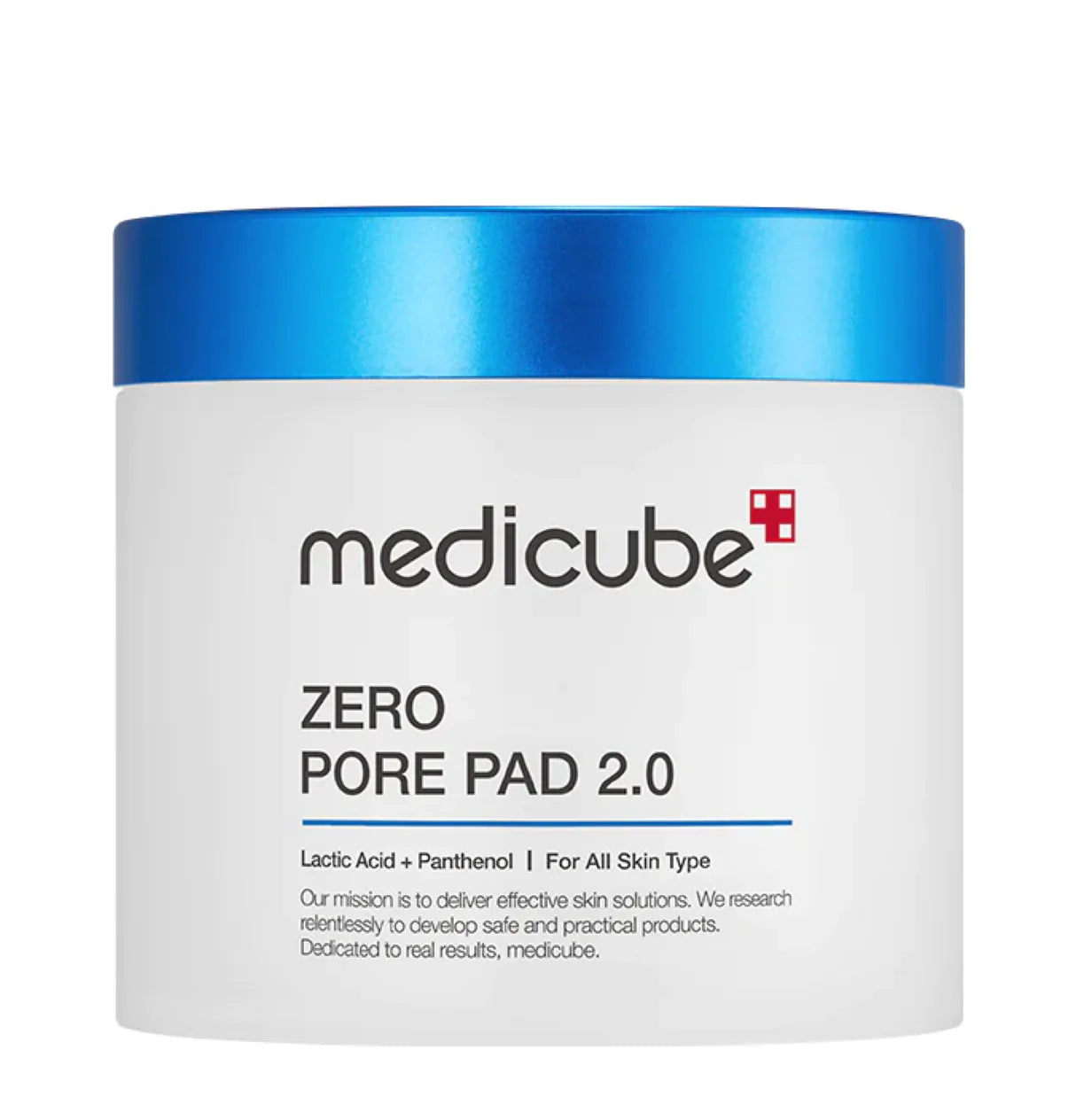
Medicube Zero Pore Pad 2.0 and Round Lab 1025 Dokdo Toner illustrate the distinction. Medicube describes dual-textured pads with AHA and BHA, while Round Lab describes a watery toner and also makes exfoliation claims. These are manufacturer descriptions, not a NailWiki comparison test. The sources below are English US storefront pages; they do not establish that an EU pack has an identical formula. Medicube, Round Lab.
Key takeaways
- Pre-soaked pads remove the separate dispensing step; a bottle leaves that step to the user.
- A liquid toner can still involve a cotton pad. Round Lab's published directions explicitly use one.
- Compare pad counts with pad counts and liquid volumes with liquid volumes. Neither measurement establishes a cost per application by itself.
- The formula and its own directions matter more than the word “toner” on the front.
What changes in everyday use?
The difference is preparation. With a pre-soaked pad, you retrieve an applicator ready for use. With bottled toner, you dispense the liquid first. Round Lab's directions call for soaking a cotton pad after cleansing and gently swiping the face. Medicube's directions distinguish the embossed side from the silky side and finish with light patting. The two products therefore both support a wiping application; the bottle is not automatically a pad-free alternative. Round Lab directions, Medicube directions.
For example, someone who dislikes handling a toner bottle and separate pads may find a ready-soaked format simpler. Someone who already owns cotton pads and wants to dispense their own amount may prefer a bottle. Those are practical preferences, not evidence that one produces better skin results.
How do the two examples differ?
| Decision | Medicube Zero Pore Pad 2.0 | Round Lab 1025 Dokdo Toner |
|---|---|---|
| Delivery format | Pre-soaked, dual-textured pads | Bottled watery liquid |
| Quantity to inspect | NailMarket's named item is 70 pieces | NailMarket's catalogue lists 100 ml and 200 ml variants; confirm the selected bottle |
| Application described by the brand | Embossed side, then silky side, then pat | Soak a cotton pad and gently swipe |
| Formula positioning | Brand describes AHA/BHA pore and texture care | Brand describes moisture care and its Hatching EX-07 exfoliation technology |
The manufacturer descriptions support those differences, not a ranking of exfoliating strength. The NailMarket product names identify the catalogue items but do not establish a dose or a matched EU ingredient list. Medicube product information, Round Lab product information.
Are pads better value than a bottle?
You need the actual price, pack quantity and your use pattern to answer that. A 70-pad jar is a count of applicators. A 200 ml bottle, for example, measures liquid volume. It is not valid to divide one count by the other and call the result a number of equivalent treatments. A bottle comparison should also include any separate applicators you intend to buy.
An illustrative purchase comparison is to list the total basket cost and the exact quantity offered, then ask which format you will realistically use. This avoids treating a larger-looking container as better value without comparable consumption information.
Do you need both formats?
Not simply because they come in different containers. Both brands describe applying these products after cleansing and describe overlapping texture-care functions. Buying both does not establish that they should be layered together. Choose the role you want first, then follow the directions of the specific product and pack you purchase. The comparison here does not establish compatibility with other exfoliants or a combined routine. Medicube, Round Lab.
Frequently asked questions
Are all toner pads exfoliating?
Do not infer that from the pad format. The Medicube example is marketed for exfoliation because of its particular formulation; its physical format alone is not the evidence for that role. Medicube overview.
Can the same instructions be used for every toner?
No. The directions above belong to these named products. For example, Round Lab's US page separately describes leaving soaked cotton pads on for 5-10 minutes. That optional method is not a general instruction to leave every toner pad on the face. Round Lab directions.
Which is easier to choose online?
Pads make the number of supplied applicators visible. A bottle lets you compare stated millilitres. In either case, obtain the exact product name, selected size and current pack directions before comparing the price.
Where to buy the examples
NailMarket lists Medicube Zero Pore Pad 2.0 70pcs and Round Lab 1025 Dokdo Toner. These exact catalogue links let you distinguish the pad jar from the liquid toner. Confirm the selected variant, current availability, ingredient label and delivery charge for your country before ordering. No current price, stock or delivery-time claim is made here.
NailMarket is a commercial project in NailWiki's ecosystem. This article compares product information and purchase formats; NailWiki has not conducted a hands-on performance test.
Sources
- Medicube: Zero Pore Pads, manufacturer US storefront, undated; read 22 October 2026.
- Round Lab: 1025 Dokdo Toner, manufacturer US storefront, undated; read 22 October 2026.
NailWiki companion reading
Companion guides selected by NailWiki.
For the pad example, the Medicube Zero Pore Pad 2.0 guide provides the exact identity, count and direction boundaries to check.
For a bottled-toner purchase, the Pyunkang Yul Essence Toner buying guide shows how to match capacity and pack identity before comparing an offer.